Home Services Franchise Canada: Built for a Slow Year
Why low overhead, a four to six week launch, and life-event demand hold up in a one percent growth year.
Read article →
You can already do the work. The gap is everything that surrounds it.
Most tradespeople have had the thought. You are on a job, doing work you could do in your sleep, and it occurs to you that the person invoicing for it is making considerably more than you are. You know the work is good. You know you could run it better. And then you get to the part where you would have to find the customers, set the prices, chase the money, and keep the whole thing organised, and the thought quietly goes away again.
That hesitation is sensible. Going out on your own is not mostly about the trade. It is about everything wrapped around the trade, and that is the part nobody trains you for. Here is an honest look at what actually changes when you start a business from the trades, and which parts a franchise removes.
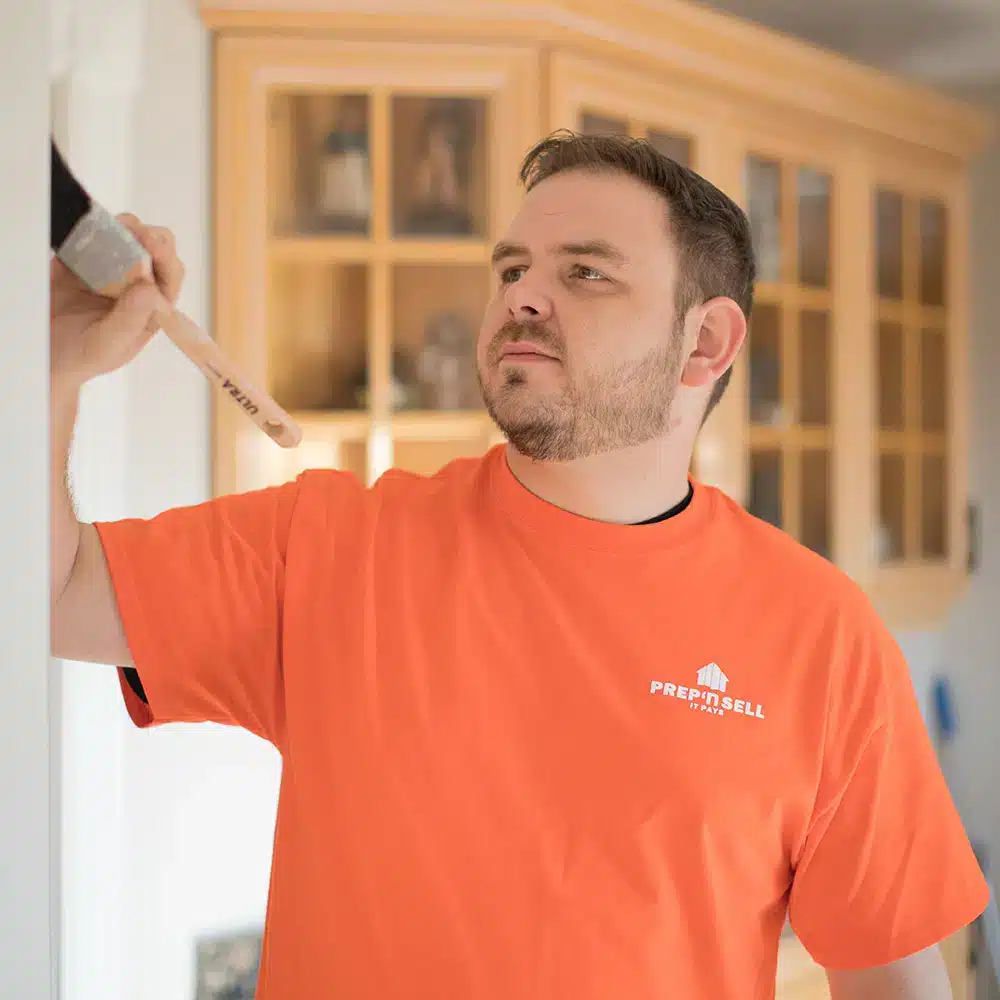
The work itself is the smallest part of the transition. If you have spent years painting, doing carpentry, or running renovations, you already have the hardest-to-teach skill in this business: knowing what a job really takes and what it should cost. That is genuinely valuable and it does not go away.
What changes is that the trade becomes maybe a third of your week. The rest is quoting, scheduling, following up, and talking to the people who send you work. Owners who struggle are almost never the ones who could not do the job. They are the ones who never got comfortable with the other two thirds.
You price by feel, undercharge to win early work, and discover the margin problem months later when you are too busy to fix it.
You inherit pricing that has been tested across the network, so quotes are consistent and profitable from the first job.
Work comes from whoever happens to call. A quiet month has no explanation and no lever you can pull.
National marketing runs into your territory whether or not you had time for it, and the brand opens the agent conversation for you.
Deposits are awkward to ask for because nobody has heard of you. Cash flow stays tight even when the work is steady.
A national name, a real website and managed social pages establish credibility before you speak. Deposits get easier to ask for.
“…have a National Brand with instant credibility, a website, a great social media presence, much easier-to-get deposits for work, exchanging ideas with other franchises in our meetings, weekly coaching, and a partner to help me build my business. Buying a Prep’n Sell franchise was a great move for me.”
Erol Ozmen — Franchise Owner, Mississauga South, ONThat quote is from an owner who spent more than twenty years running a painting and contracting company before joining. He was not short of skill. He was short of the scaffolding around it.
Trades experience helps, but it is not the requirement most people assume. A meaningful share of the role is coordination and client care rather than doing every task yourself. You are often the person sequencing a declutter, a paint crew, a flooring install and a landscaper against one listing date, then keeping the homeowner and the Realtor calm while it happens.
If you have ever run a site, managed subs, or been the person everyone calls when a job is going sideways, you have already done this. That is the transferable skill, more than any single trade.



Your trade becomes one service inside a much wider offer: cleaning, junk removal, repairs, staging, painting, flooring, landscaping, curb appeal and moving. That breadth is why one owner can serve a whole territory.
For someone coming out of the trades, the entry point matters more than almost anything else. Most people making this move do not have a large amount of capital sitting idle, and they are not in a position to carry a lease while a business finds its feet.
You give up some independence. There is a system to follow, pricing you did not set, and a brand whose standards you are expected to keep. If what you actually want is to build your own name and do things entirely your way, an independent business is the better fit and we would rather you knew that now.
What you get in exchange is the years you skip. Credibility, lead flow, pricing confidence and systems all take a long time to assemble alone, usually while you are also trying to do the work. That trade is worth making for a lot of people. It is not worth making for everyone.
Request the franchise guide and we will go through territory availability, the investment, the training path, and a realistic picture of your first year coming from a trades background.
More detail is available on the Prep'n Sell franchise ownership page.
Franchise investment, training and support details are current as published and subject to change. This article is general information and not financial advice.
Why low overhead, a four to six week launch, and life-event demand hold up in a one percent growth year.
Read article →The three reasons people stall on a franchise decision, and a straight answer to each one.
Read article →Training, support, and a proven path from startup to scale without the common startup pitfalls.
Read article →