The 8-Second Test: What Buyers Notice Before They Reach the Kitchen
September 11, 2026What a Franchise Territory in Canada Actually Looks Like
September 28, 2026

Selling a Home You Inherited: Where to Actually Start
A house full of a lifetime, a process nobody explained, and usually no good time to deal with any of it.
Inheriting a home is rarely the windfall people imagine from the outside. What usually arrives is a set of keys, a house that has not been updated in some time, forty years of belongings, and a list of decisions that all seem to need making at once. Often while you are grieving, and often from another city.
There is no version of this that is quick. But there is a sensible order, and a lot of what feels urgent genuinely is not. Here is a practical way through selling an inherited home in Canada, including the parts most people do far too early.
Before Anything Else, Slow Down
The single most common mistake is starting to empty the house in the first week. It feels productive, and it is the one part of this process that cannot be undone. Things get donated that a sibling wanted. Items with genuine value go into a dumpster because nobody recognized them. Papers that turn out to matter get recycled.
Nothing needs to leave the house until the legal position is clear and the family has had a conversation. That is not procrastination, it is sequencing.
Worth doing in the first two weeks
- Secure the property — locks, mail redirected, someone checking on it.
- Keep the insurance current — an empty house often needs a different policy, so tell the insurer.
- Keep the heat and water on — particularly heading into a Canadian winter.
- Gather the paperwork — deed, tax bills, utilities, any renovation records.
- Talk to the estate lawyer before you move, sell or dispose of anything.
Probate timelines, tax treatment and who is legally able to sell all vary by province and by how the estate was structured. That is genuinely a question for the estate lawyer and an accountant, not for a blog, and getting it right early prevents expensive corrections later.
The Sorting Stage
Once you are clear to proceed, the house has to be emptied. This is the longest part and the one that is emotionally hardest, because every drawer holds a decision and some of them are heavy.
Four categories keep it moving: keep, family, sell, and go. Most people underestimate how large the last one is. A lifetime of possessions is mostly ordinary objects, and giving yourself permission to let ordinary things go is what stops the process stalling for months.

Do Not Throw Out the Valuable Things
Clear out a home lived in for four decades and there is usually value in it. Antique furniture, tools, jewellery, art, china, coins, instruments, and equipment that families routinely donate or discard because identifying and selling it all feels like one more job nobody has energy for.
That is worth pausing on. Items that go into a bin in an afternoon can represent a meaningful sum, and an online auction puts them in front of a wide pool of bidders without the family having to price, list, or negotiate anything. It is often the moment an estate clear-out stops feeling purely like loss.

1 Call Does It All
Sorting, auctions, junk removal, cleaning, repairs, painting and curb appeal — handled by one team on one schedule, so a family managing an estate is not also managing six contractors.
Then, and Only Then, the House Itself
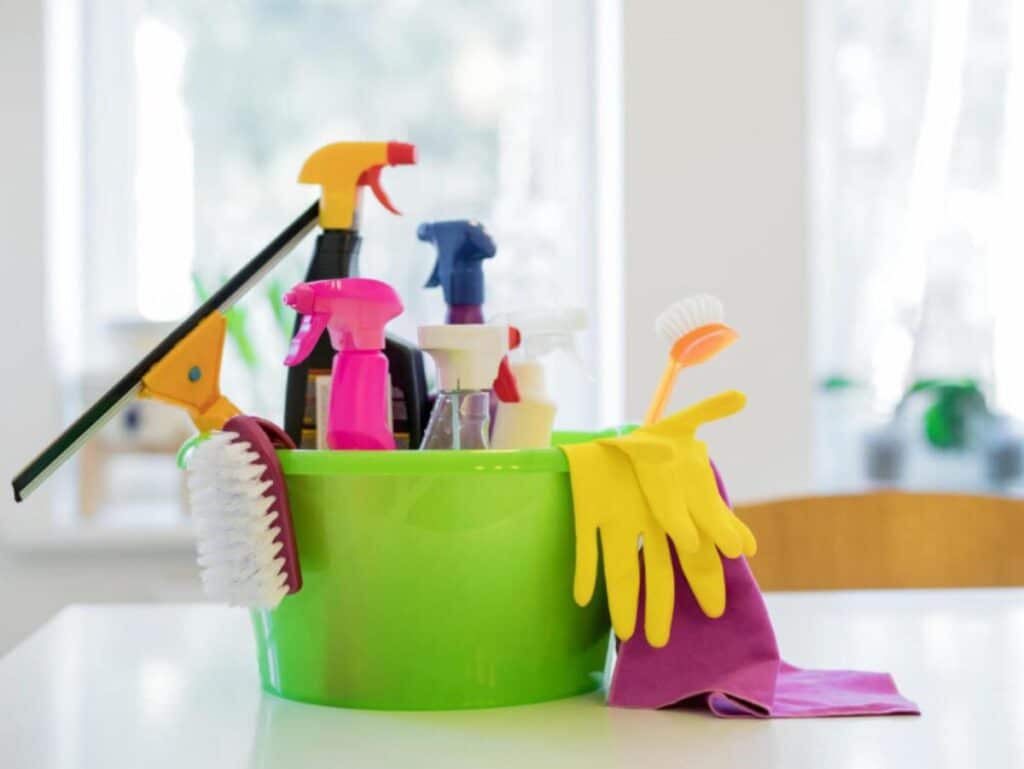
Once it is empty you can finally see what you have. Empty houses show every mark, and rooms that looked fine full of furniture often need paint, flooring attention, or a proper deep clean before photographs.
Resist the urge to renovate. Inherited homes rarely need a new kitchen to sell well; they need to be clean, bright, sound and empty. The work buyers notice most is paint, flooring, small repairs, a deep clean and tidy landscaping. Anything beyond that is usually spending the estate’s money for the next owner’s taste.
A sensible order of work
- Clear and auction — empty the house and recover value from what is worth selling.
- Repairs — the sticking doors, dripping taps and dead switches buyers read as neglect.
- Paint and flooring — the two things that change how an empty house feels most.
- Deep clean — including odour treatment, which matters more in a long-occupied home.
- Curb appeal — often neglected for years, and the first thing a buyer sees.
If You Live Somewhere Else
A great many inherited homes are handled from another province entirely, and that changes the practical problem completely. You cannot let six trades in over six weeks from a thousand kilometres away, and taking repeated time off work to do it is its own cost.
This is where a single coordinated provider genuinely earns its place. One point of contact, one schedule, photos as work progresses, and a house that goes from full and tired to empty and market-ready without you being there for every stage of it.
We can take the house off your hands, not the decisions
Prep’n Sell handles estate clear-outs from the first box to the final sweep — sorting, auctions, junk removal, cleaning, repairs and prep — at whatever pace the family needs. There is no rush from our side.
- One point of contact, which matters a great deal when you are managing this from out of town.
- Valuables identified and auctioned rather than quietly thrown away.
- Compassionate, unhurried — we have done this many times and we know what week one feels like.
Learn more about estate makeovers and decluttering to sell.
Probate, estate administration and tax treatment differ by province and by how an estate is structured. This article is general information only and is not legal, tax or financial advice — please speak with the estate lawyer and an accountant about your specific situation.